
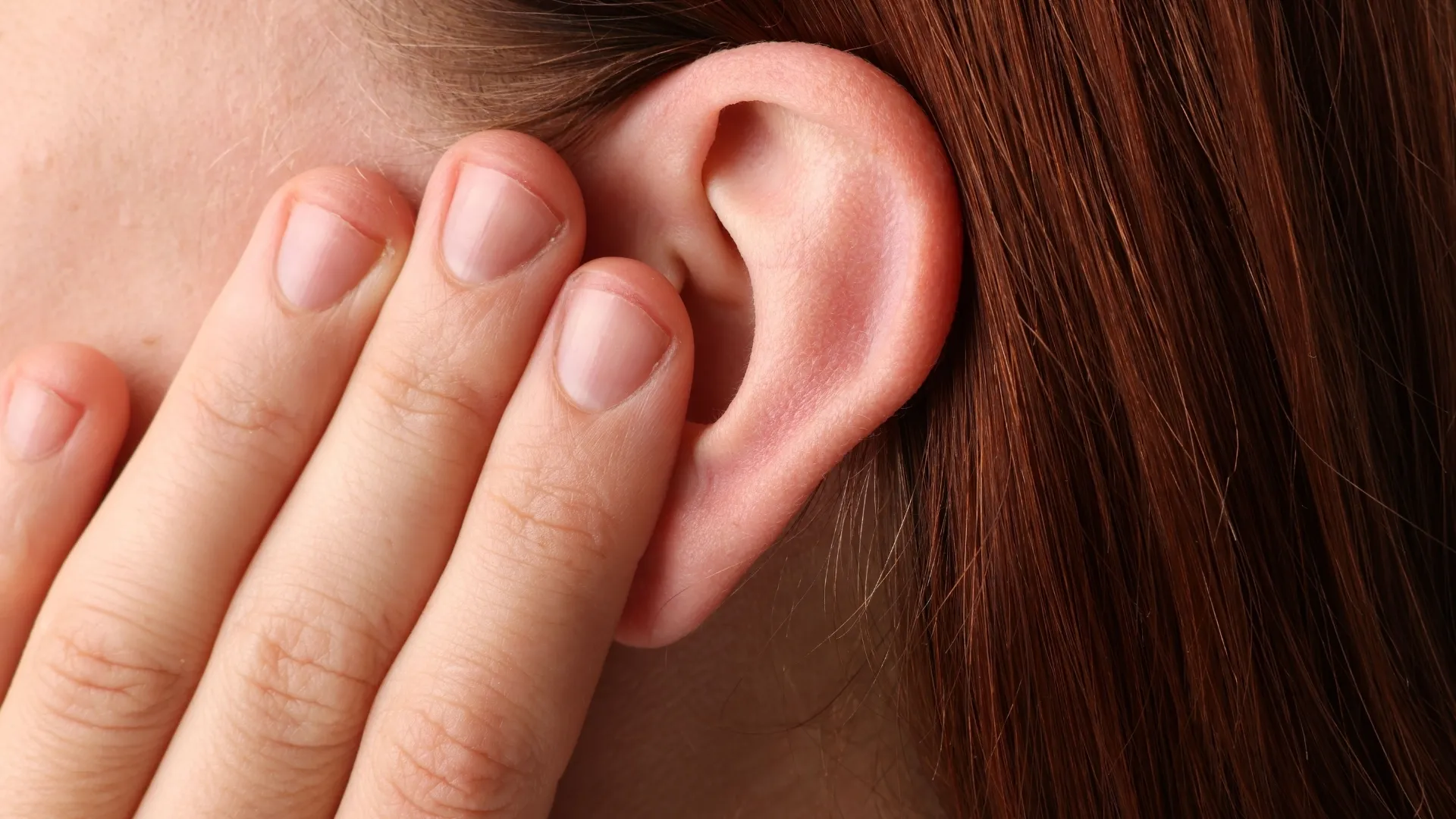
Tinnitus often feels like a minor annoyance that people simply learn to tolerate over time. Many individuals notice a faint ringing, buzzing, or clicking in their ears during quiet moments, assuming it is just a normal part of aging or past noise exposure.
However, certain changes in the phantom sounds require immediate evaluation from a hearing health professional. Recognizing when the noise transitions from a mild distraction to a warning sign ensures proper care and protects overall health. Patients must understand the specific signs that indicate tinnitus is worsening and requires medical attention.
The Sound Happens Only In One Ear
When phantom noises affect both sides equally, doctors often attribute the condition to typical age-related hearing loss or general loud noise exposure. However, when the ringing, buzzing, or hissing occurs exclusively in one ear, the situation changes completely.
This asymmetrical symptom points to an issue within the specific ear structure or the nerve pathway leading to the brain. A hearing health professional needs to evaluate this condition to rule out benign growths on the acoustic nerve or circulatory blockages. People should never ignore a sound that chooses to stay strictly on one side of the head.
The Noise Syncs With The Heartbeat
Pulsatile tinnitus presents as a rhythmic pulsing, thumping, or throbbing that perfectly matches the physical pulse or heartbeat. Patients often describe the sensation as hearing their own blood rushing through the vessels near the ear canal. This specific variation frequently signals a change in blood flow, narrowed arteries, or elevated pressure within the nearby blood vessels.
Because the rhythm connects directly to the cardiovascular system, receiving a comprehensive medical evaluation remains a top priority for safety. Doctors can pinpoint the structural source of the rhythm and manage any underlying vascular conditions effectively.
Dizziness Accompanies Every Ringing
Experiencing a spinning sensation alongside the internal noise indicates a deeper disruption within the delicate structures of the inner ear. The inner ear controls both the sense of hearing and the physical balance of the body.
When a person feels unsteady, dizzy, or suffers from full vertigo while the ringing intensifies, the fluid pressure inside the ear may be fluctuating significantly. This combination of symptoms can disrupt daily activities and increase the risk of accidental falls. Seeking a medical assessment helps identify specific inner ear disorders before the balance issues worsen.
Sudden Hearing Loss Changes Sounds
A gradual decline in hearing clarity often happens alongside phantom noises, but a sudden drop in hearing capacity requires urgent attention. If the ability to hear conversations or environmental sounds decreases rapidly over a few hours or days, the window for effective treatment shrinks.
This sudden change sometimes stems from viral infections, sudden circulatory issues, or acute nerve distress within the auditory system. Hearing health professionals can administer specialized treatments to restore function, but these interventions work best when utilized immediately after the sudden change occurs. Swift action protects long-term hearing wellness.
Severe Stress Disrupts Daily Sleep
The mental and emotional impact of persistent internal noise can eventually overwhelm a person’s ability to rest and function normally. When the sound grows loud enough to prevent deep sleep, break concentration, or trigger constant anxiety, the issue crosses into medical territory.
Chronic sleep deprivation weakens the immune system and reduces the ability to cope with daily life challenges. Hearing health professionals can provide strategic support, medical interventions, and coping therapies that quiet the nervous system. Addressing the psychological toll of the noise restores quality of life and prevents profound exhaustion.
Schedule A Consultation For Relief
Managing persistent ear noise can feel overwhelming, but finding relief is entirely possible with the right professional guidance. Comprehensive diagnostic testing helps uncover the precise root cause of these disruptive sounds, allowing a dedicated medical team to build a tailored management plan specifically for you.
True relief and clarity are within reach. If you are ready to quiet the noise and reclaim your peace of mind, please contact the practice today to arrange a thorough ear examination. We are here to support you on your journey to better hearing health.