
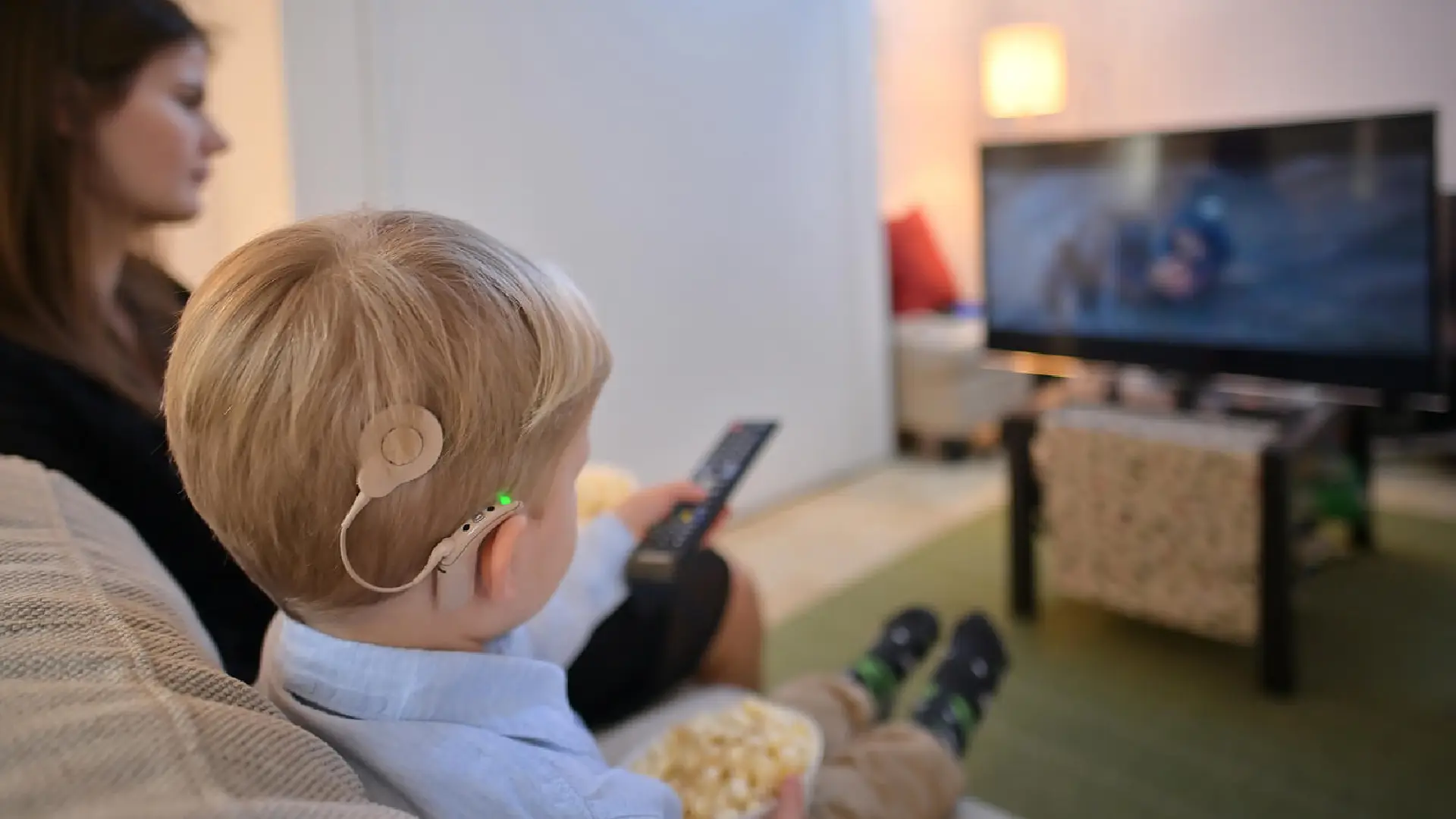
Families play an influential role in the journey of someone living with a cochlear implant. While the device itself provides access to sound, the ongoing experience of adapting, communicating, and building confidence relies heavily on daily interactions at home and within social settings. Emotional encouragement, consistent communication, and practical support can make the process less overwhelming and more rewarding.
When families take time to understand both the challenges and opportunities that come with cochlear implants, they help create an environment that allows progress to feel natural instead of forced. This kind of support is often the difference between struggling in silence and thriving in connection.
Building a Positive Communication Environment
The weeks and months after activation can feel like entering a new sonic world. Many require time to adjust, and family members who are patient with speech understanding help make things less stressful. Simple practices like speaking correctly, facing the listener, and limiting background noise boost confidence. Little changes can make everyday interactions meaningful practice that improves listening skills.
Consistency in communicating is important. Naturally rephrasing a sentence helps the brain adjust to sound faster than louder repetition. Adjusting communication habits makes families feel less like they’re giving special treatment and more like they’re developing a culture of understanding. This environment improves hearing and family ties.
Encouraging Emotional Well-Being
Cochlear implant patients may feel pressure or frustration when progress is delayed. Families that validate these emotions make it easy and safe to address challenges. Being encouraged after setbacks demonstrates that hearing success is about persistence, not perfection. Emotional check-ins reduce discouragement as much as speaking or listening practice.
Also, celebrating achievements might provide emotional support. Positive reinforcement makes the journey more enjoyable, whether it’s acknowledging a loved one’s first hearing of a beloved song or improvements in group conversations. These festivities remind everyone that success is evaluated by lived experiences that bring music and connection back into daily life, not just test results.
Helping with Listening Practice at Home
Training the brain to comprehend new sound signals is necessary for cochlear implant adaptation. Families that practice listening can turn daily routines into practice. Listening skills are strengthened by reading aloud, discussing cooking operations, or having calm talks. Consistent exposure boosts speech pattern recognition and response skills.
Learning to handle background noise in noisy situations like group meals or outdoor activities can take time. Families prepare their loved ones for real-world listening by progressively introducing these scenarios. The change may be difficult, but supportive practice makes it manageable.
Supporting Social Interactions
Cochlear implant users have distinct challenges at social events. Big groups, overlapping conversations, and noise can be scary. When attentive, families can reduce tension by facilitating introductions, repeating missed information, or arranging seating for smoother communication. These simple steps minimize anxiety and make socializing more inclusive.
Friends and extended relatives can also create a more friendly atmosphere. Participating in groups is less exhausting when loved ones recognize that patience and clear communication go far. Creating social success opportunities boosts confidence and emphasizes that cochlear hearing is about connection, not perfection.
Understanding the Role of Technology
Cochlear implants often have accessories and technology that improve listening in certain situations. Learning to use these tools can help families. Understanding how to set up a TV streaming device, attach a classroom microphone, or regulate noise levels minimizes stress and promotes independence. Technology is less daunting when multiple family members use it.
Tracking maintenance and troubleshooting helps too. Reminding a loved one about battery replacements, extra parts, or appointments prevents little technical concerns from becoming huge conflicts. Families may maintain technology to continue listening without interruptions by working together.
Creating Long-Term Support and Encouragement
Support for cochlear implant users continues even after the first year of activation. Long-term encouragement keeps communication skills increasing and addresses problems. Family involvement in listening goals helps keep momentum when improvement slows. Cochlear implants are part of a hearing journey, and this shared commitment underscores that.
Over time, support entails encouraging loved ones to attend follow-up appointments, participating in listening programs, and upgrading technology. Families who take these steps indicate that hearing health is important for everyone, not just implant users. This constant engagement creates trust, minimizes isolation, and promotes lifetime connection. Booking a professional consultation is the greatest approach to keep informed and prepared for families ready to move forward.