
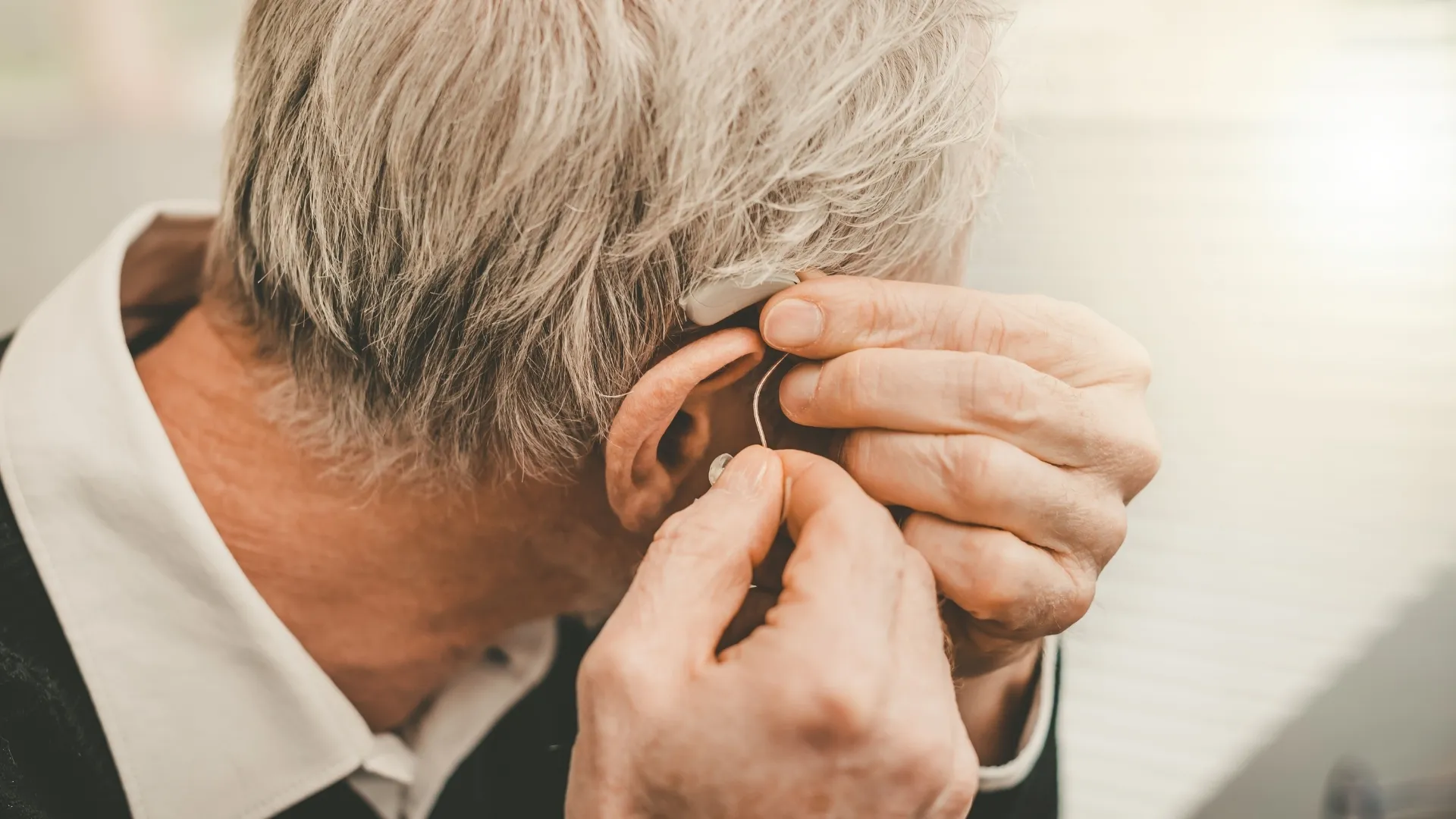
Hearing aids frequently experience sudden sound interruptions that disrupt daily communication and cause frustrating listening experiences. These unexpected cutouts usually happen when physical blockages, low power reserves, environmental moisture, or digital streaming glitches interfere with normal sound transmission. While intermittent sound loss often feels like a serious device failure, simple daily factors usually cause the problem.
Identifying the specific cause behind recurring sound dropouts allows individuals to resolve common mechanical issues quickly and prevent future performance disruptions. Understanding basic maintenance needs ensures hearing aids remain steady, reliable, and clear during daily conversations across all settings.
Earwax Traps Block Sound Outlets Quickly
Earwax naturally builds up inside the ear canal, easily migrating into the small openings of sound devices. When wax covers the receiver tube or wax guard, amplified sound cannot travel smoothly into the ear, causing sudden volume drops or total silence. People often mistake a wax blockage for a dead battery or broken internal wiring.
Cleaning the receiver tip every evening and replacing clogged wax filters regularly prevents sound pathways from closing up during important conversations. Consistent daily maintenance keeps sound flowing clearly, protects internal components from buildup, and ensures reliable performance whenever the device rests inside the ear.
Weak Batteries Cause Sudden Power Losses
Low battery power often triggers unpredictable sound dropouts long before the battery dies completely. As power levels drain, voltage drops periodically during high-demand moments, such as processing loud background noise or streaming audio. These sudden power dips force the device to restart or shut down momentarily to protect internal circuits.
Switching to fresh disposable batteries or fully charging rechargeable units each night eliminates power fluctuations that cause sound interruption. Keeping extra batteries nearby and inspecting battery contacts for dirt or corrosion ensures steady electrical current, preventing annoying sound loss during busy days out in public.
Trapped Moisture Damages Sensitive Wiring
Daily wear exposes small electronic devices to sweat, high humidity, condensation, and sudden weather changes. Moisture creeps inside battery doors or microphone ports, creating temporary short circuits that cut off sound amplification unexpectedly. Once the internal components dry out, the device might work fine again, creating a confusing pattern of on and off performance.
Placing devices in a dedicated drying capsule or electronic dehumidifier overnight pulls trapped moisture out of delicate circuits effectively. Protecting electronics from heavy sweat during workouts and storing them in dry places preserves internal wiring, ensuring consistent daily operation without sudden sound cutouts.
Wireless Signals Cause Sudden Dropouts
Bluetooth connections between mobile phones and ear devices frequently experience signal interference that interrupts audio streams. Walking away from a connected phone, placing a device in a deep pocket, or standing near wireless routers can disrupt the signal instantly.
Physical obstacles like walls or body tissue block radio waves, causing phone calls or music to cut in and out unpredictably. Turning the wireless connection off and back on usually restores link stability quickly. Keeping connected phones close to the upper body and updating device software ensures strong signal transmission, preventing sudden drops while streaming phone calls or media.
Loose Parts Disconnect Internal Circuits
Physical wear and tear can loosen delicate internal wiring, battery doors, or custom tubing over time. Dropping devices onto hard surfaces or tugging roughly on wires damages tiny electrical connections inside the plastic casing. A loose battery door allows the power source to shift position during head movements, cutting power for several seconds at a time.
Replacing cracked tubing, securing battery doors tightly, and storing devices in padded cases protects internal components from accidental drops. Handling delicate hardware gently during daily placement prevents loose connections, keeping sound clear, stable, and uninterrupted throughout active daily routines.
Proper Maintenance Restores Daily Sound
Understanding why sound cuts out helps keep devices working smoothly and avoids daily frustration. Simple habits like clearing earwax, managing moisture, checking batteries, and careful handling often do the trick. However, persistent dropouts that survive basic cleaning usually indicate internal hardware issues that require a trained eye.
We are here to help resolve these technical faults quickly to protect the investment in your hearing. Please contact the practice today to schedule a thorough device inspection. Getting the hearing aids checked brings back clear, reliable sound and seamless connection every day.